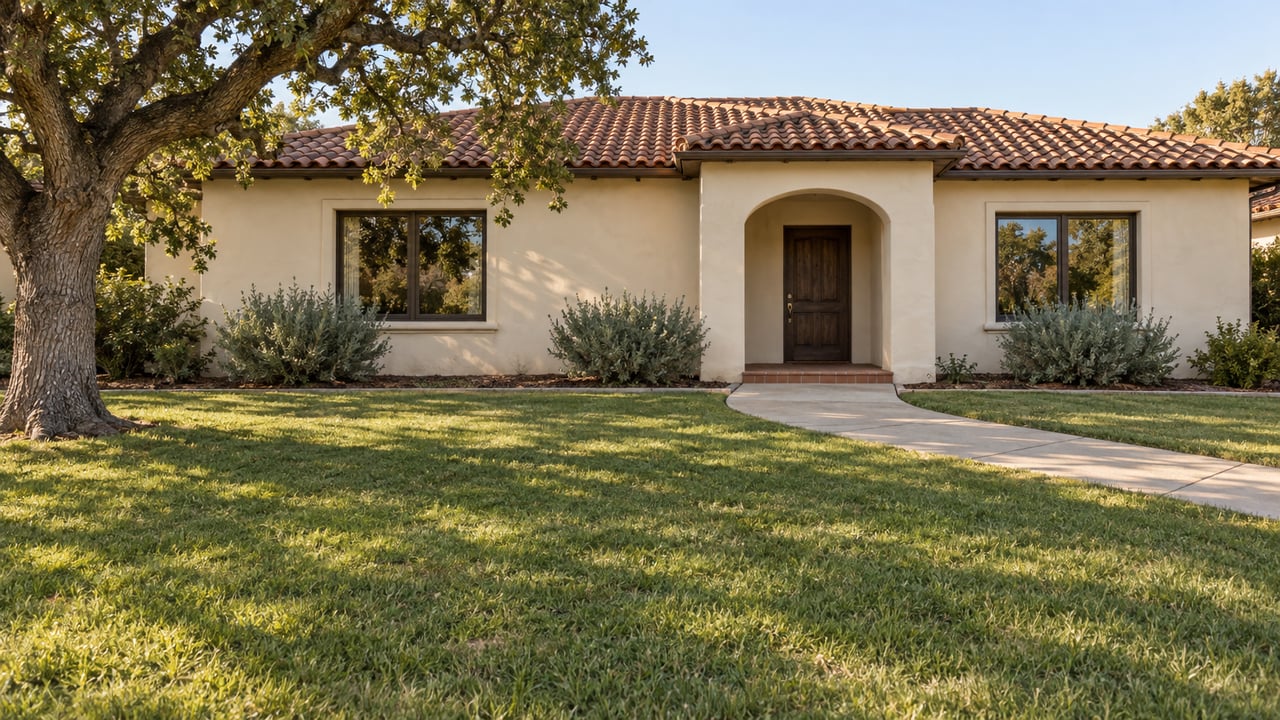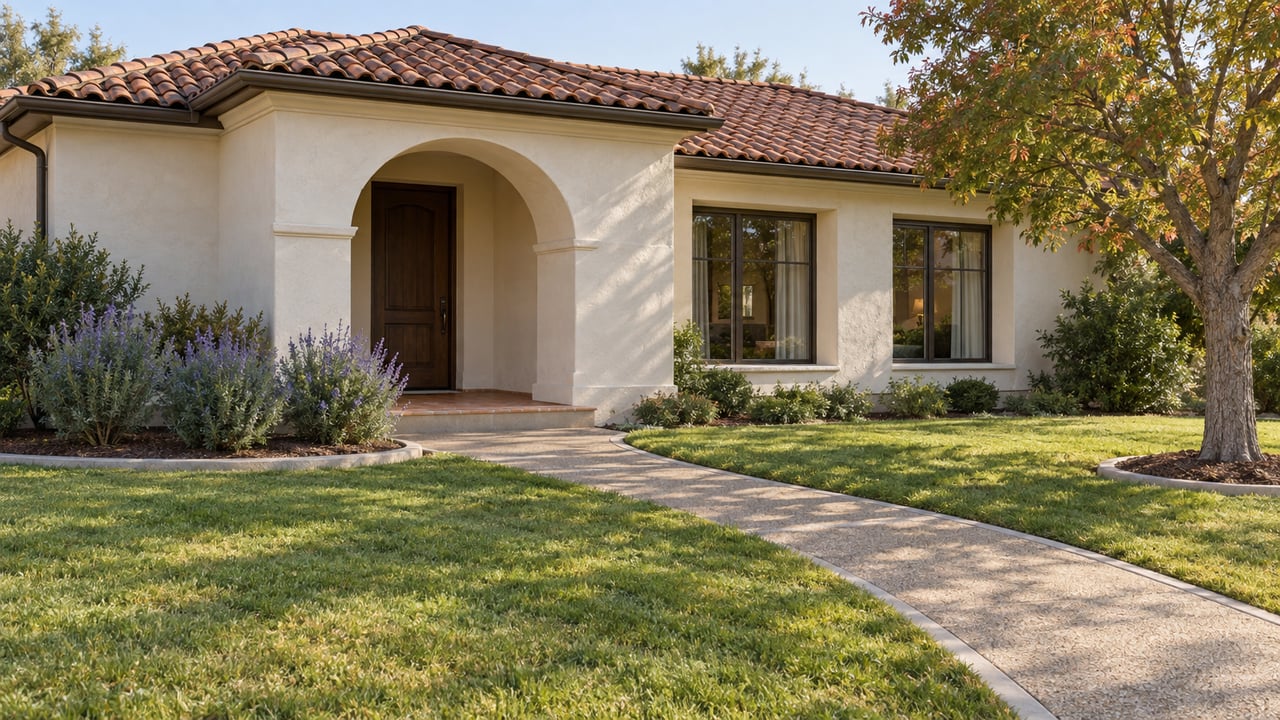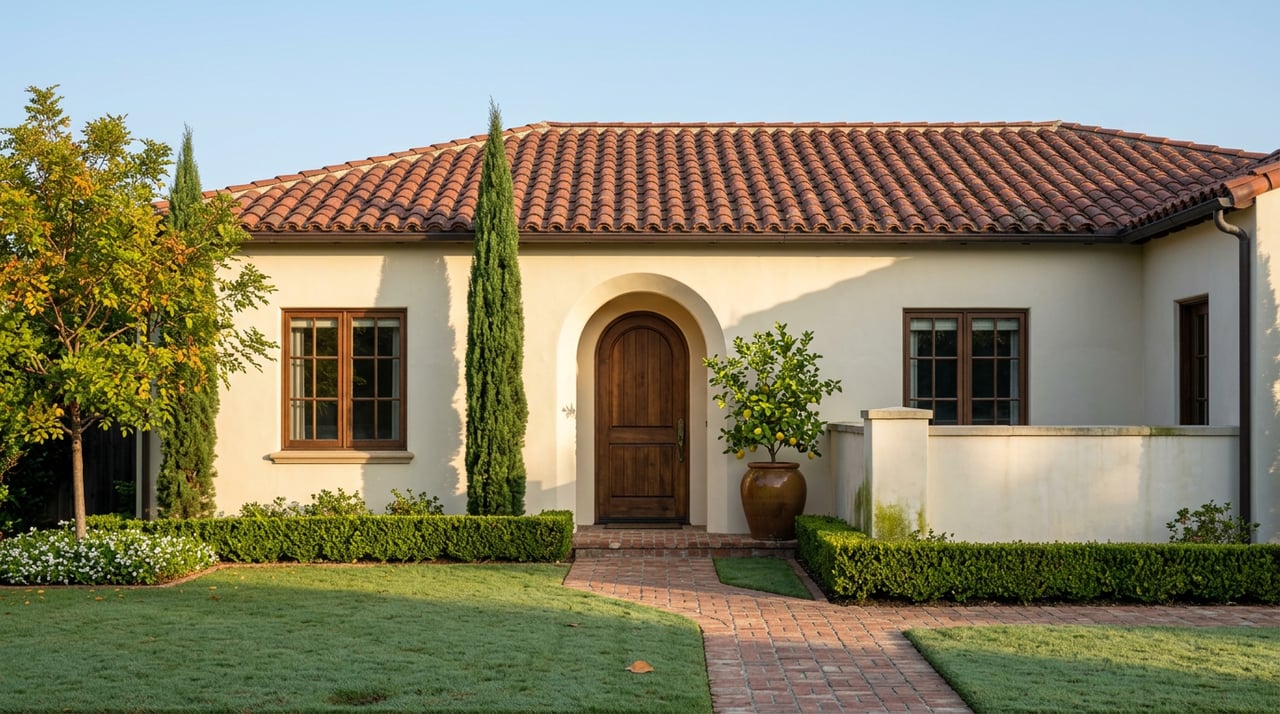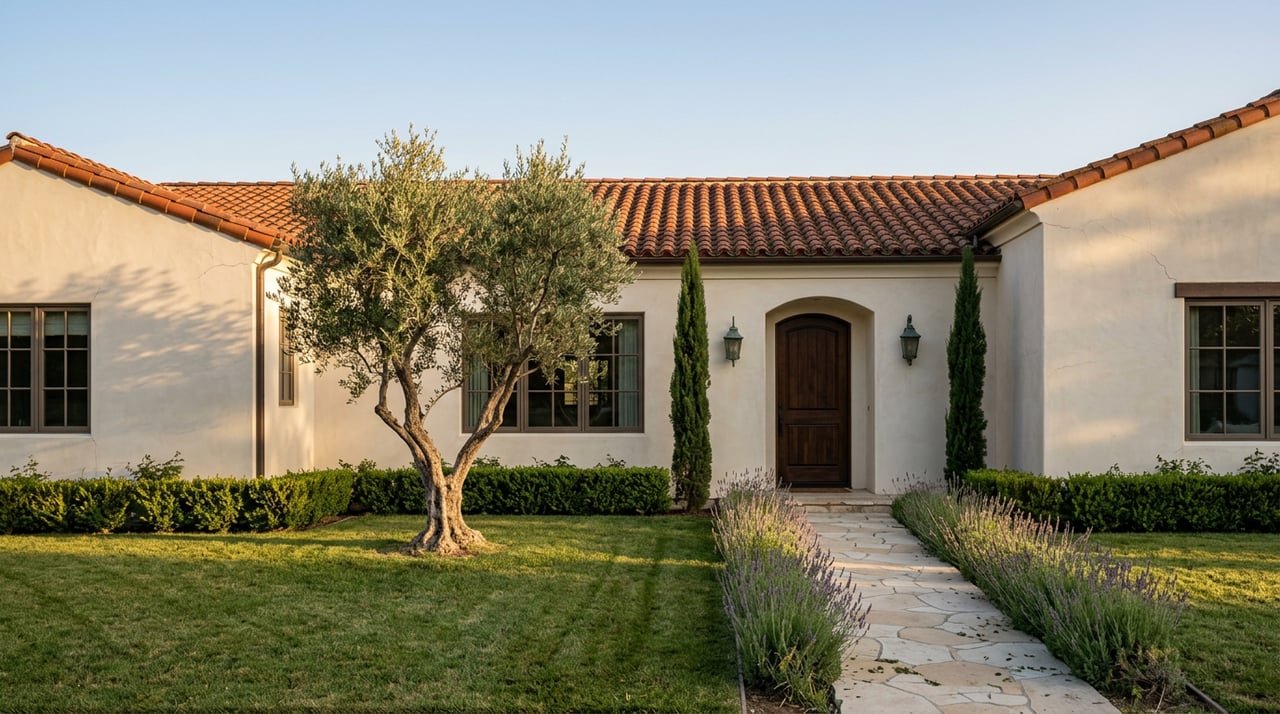
Picture two Bakersfield homes closing escrow the same week, both listed in the mid-$400,000s. One is a century-old bungalow a few blocks from Beale Park in the Oleander-Sunset neighborhood, its original wiring and plaster walls intact under a few rounds of cosmetic updates. The other is a 2016 tract home in a gated southwest community, granite counters and a pool already in place, HOA dues due the first of the month. Same price. Same buyer excitement. Completely different afternoon waiting for the inspector's van to show up.
That difference doesn't come from the price. It comes from what decade the house was built in and which side of a few specific streets it sits on. Buyers and sellers who treat every Bakersfield inspection as a generic checklist end up surprised, either by a repair request they didn't see coming or by an inspector's report that reads nothing like the one their neighbor got two doors down.
The Same Clause, Two Different Bets
Every purchase contract in California carries roughly the same inspection contingency language. What that clause is actually protecting a buyer against changes block by block. In the historic core, the contingency is a hedge against what decades of settling, retrofitting, and DIY repairs have layered into a house nobody has fully documented. In a newer HOA tract, it's a hedge against systems that are still under their first service interval but were installed by a builder working on volume, plus a stack of governing documents the buyer hasn't read yet.
A local inspector's own case files, shared in a Bakersfield.com feature on the inspection process, include a photograph from the basement of a nearly 100-year-old home where the inspection turned up a foundation problem nobody had flagged going in. That's not a knock on old houses. It's a reminder that the contingency period does different work depending on the address.
What's Actually Under the Slab
Kern County sits on soil that swells when it's wet and shrinks hard when it dries out, with a caliche hardpan layer trapping moisture underneath through the winter. Foundation contractors who work the valley point to this combination, expansive clay plus caliche, as a leading cause of the cracked slabs, sticking doors, and hairline wall cracks that show up in inspection reports across the city.
Here's the part that surprises people: this isn't strictly an old-house problem. A new slab poured without the right grading or moisture barrier can develop the same symptoms within a few years, while a century-old pier-and-beam foundation in Westchester that's been graded correctly for decades can be perfectly stable. Age predicts a lot about a Bakersfield inspection, but soil movement doesn't care what year the permit was pulled. It cares about drainage, grading, and whether anyone has addressed it since.
The System Still Hiding in the Attic
Riviera/Westchester and Oleander-Sunset carry some of the oldest housing stock in the city. In Westchester, the divide runs along 24th Street: south of it, the mix leans Craftsman, Queen Anne, and Spanish Colonial Revival, much of it dating to the early 1900s, while ranch and minimal-traditional styles built from the 1940s through the 1970s show up more often north of that line. A few blocks away, Oleander-Sunset carries its own mix, with homes built as early as the 1910s sitting beside midcentury properties near Beale Park, the city's oldest park. Both areas predate central air conditioning as the default, which means swamp coolers, not heat pumps, were often the first cooling system these houses ever had.
A lot of those units have since been swapped for central air. What doesn't always get removed is the old ductwork and roof penetration built for the cooler, sitting in the attic behind the newer system. An inspector will note it. A buyer who's never lived with a swamp cooler won't know what they're looking at until someone explains it.
Before falling for a pre-1970s house near downtown, F Street, or the Bakersfield Racquet Club neighborhood, it's worth asking specifically about:
- Whether the original swamp cooler ductwork was removed or just capped when central air went in
- What the home's plumbing supply lines are made of, since galvanized steel was standard in this era and corrodes from the inside out
- Whether any wiring dates to before a documented panel upgrade
- Whether the foundation type is slab, raised pier-and-beam, or a mix from additions over the years
None of these are deal-breakers on their own. They're the specific questions that turn a generic 70-to-100-page inspection report into something a buyer can actually act on.
A Newer Zip Code, a Different Checklist
Southwest and northwest Bakersfield tell a different story. Communities like Seven Oaks, Stockdale Estates, and gated tracts such as Highgate were largely built from the 2000s forward, which means the systems inside are younger but not permanent. A 2005 roof or HVAC system is now old enough to be approaching its first major service interval, and pool equipment, common in this part of town given the summers here, adds its own line item to the inspection.
The other difference is paperwork. Homes in HOA communities come with CC&Rs, reserve studies, and transfer requirements that a buyer needs to read as carefully as the inspection report itself. A structurally clean house with an underfunded HOA reserve is its own kind of risk, just one a physical inspection won't catch.
| Location type | Typical construction era | What inspections tend to flag | What to line up in advance |
|---|---|---|---|
| Historic core (Westchester, Oleander-Sunset) | 1910s-1970s | Foundation movement, original plumbing material, legacy swamp cooler ductwork, outdated wiring | Plumbing material history, panel upgrade records, foundation type |
| Newer suburban tracts (southwest, northwest) | 2000s-present | Aging first-generation systems, pool equipment, drainage and grading | HOA reserve study, CC&Rs, service records for HVAC and roof |
| Rural Kern County acreage | Varies, often no municipal utilities | Septic function, well water quality, off-grid system age | Septic pump and certification, well water lab test |
Rural Kern Adds a Third Kind of Risk Entirely
Step outside city limits into rural Kern County and the checklist changes again. Properties without a municipal water or sewer connection need septic inspection, pumping, and certification handled separately, along with well water testing. FHA and VA loans specifically require that well water be tested by a certified lab for bacterial contamination and nitrates before the loan can close. None of this shows up on a standard city-limits inspection because none of it exists inside the city's utility footprint. It's another line item that has nothing to do with the age of the house and everything to do with what's or isn't connected underground.
What To Line Up Before You List or Sign This Fall
Fall in Bakersfield tends to move fast once a house is priced right, and neither buyers nor sellers benefit from discovering a structural or system issue mid-escrow when there's less runway to negotiate calmly. Sellers in the historic core benefit most from a pre-listing inspection, since a documented foundation or plumbing issue found and disclosed upfront reads very differently to a buyer than the same issue found by their own inspector three weeks into escrow. Sellers in newer HOA communities are better served by pulling reserve study and CC&R documents together before the first showing, so a buyer's questions don't stall the process later.
Buyers touring homes in either kind of neighborhood do well to budget for the add-on inspections that actually apply to what they're looking at. A basic pest inspection typically runs around $75, a pool inspection adds roughly the same, HVAC inspections generally run under $150, mold testing under $200, and a sewer line scope under $300. Local firms such as M-C Inspections and At Home Inspections offer several of these as bundled add-ons rather than separate appointments, which can save a step during a tight escrow window. Which of these line items actually matters depends entirely on the property in front of you, not on its list price.
Quick Answers Before You Schedule Anything
Does a swamp cooler mean the house has a problem? No. It means there's likely legacy ductwork in the attic worth asking about, and it's common enough in Bakersfield's older neighborhoods that it shouldn't be treated as a red flag on its own.
Is expansive soil something insurance covers? Generally no. Foundation damage tied to soil movement typically falls outside standard homeowners insurance, which is part of why addressing drainage and grading early matters more than waiting for a problem to show up.
Do I need a well or septic inspection if I'm buying inside Bakersfield city limits? No. That requirement applies to rural Kern County properties without a municipal water or sewer connection. Inside the city, standard inspection and pest reports cover what a lender will ask for.
Every one of these findings points back to the same idea. The inspection report on a Bakersfield house is really a report on its decade and its address as much as its condition. Buyers who ask the right questions for the right kind of house, and sellers who get ahead of the ones specific to theirs, spend less time renegotiating in week three of escrow.
If you're weighing a purchase or a listing anywhere from Westchester to the southwest tracts to acreage out past city water lines, Carrie Wageman can walk through what to expect for your specific property before you're standing in the driveway with an inspector. Let's Connect.
This article is general information, not legal, tax or financial advice. Consult a qualified professional about your situation.