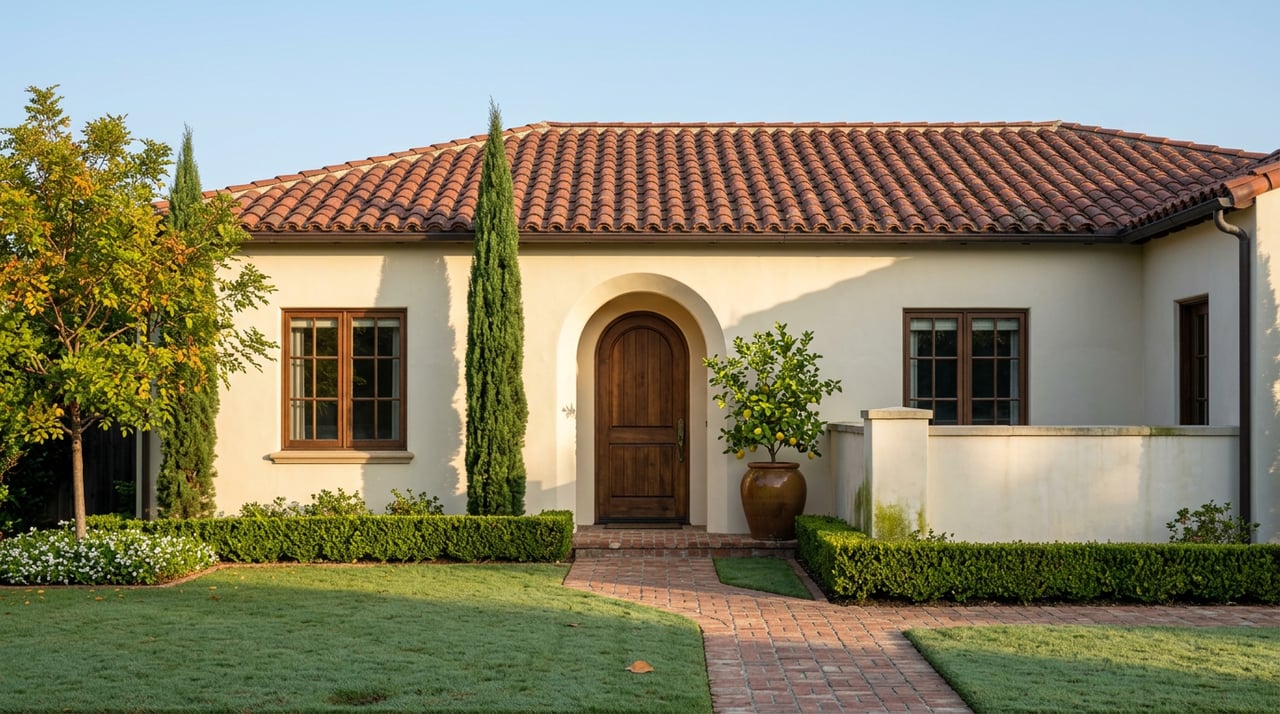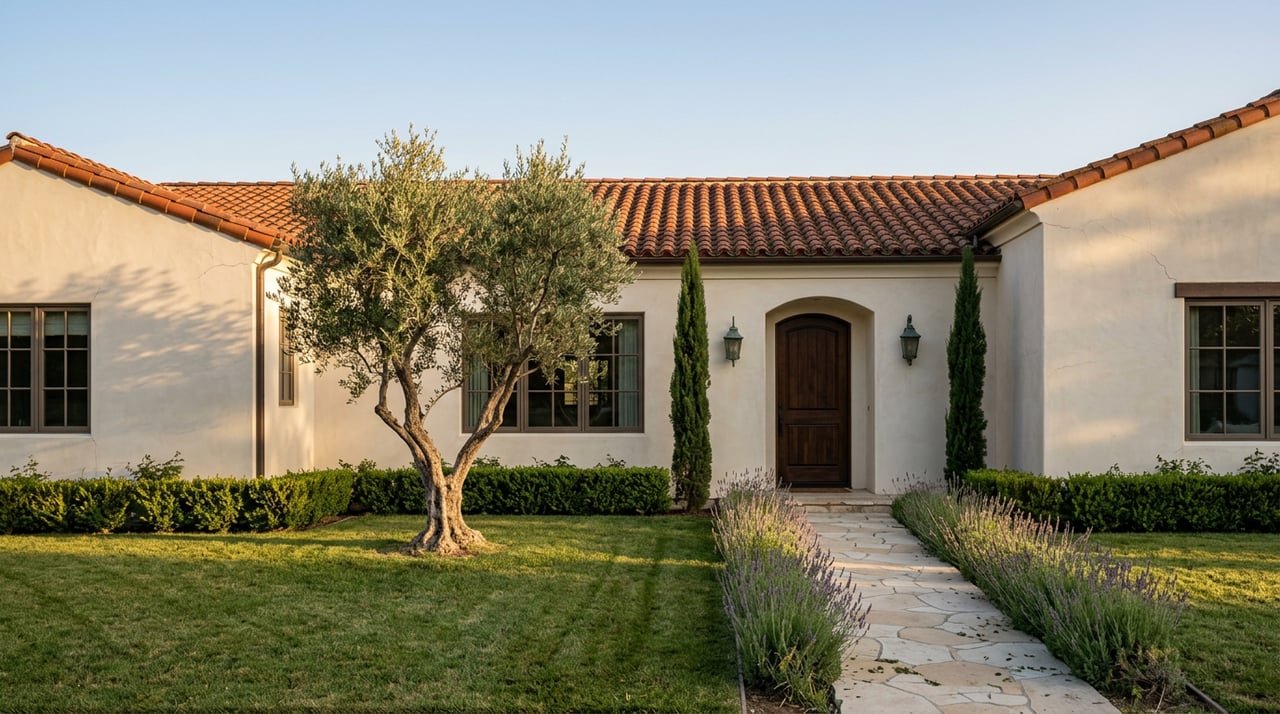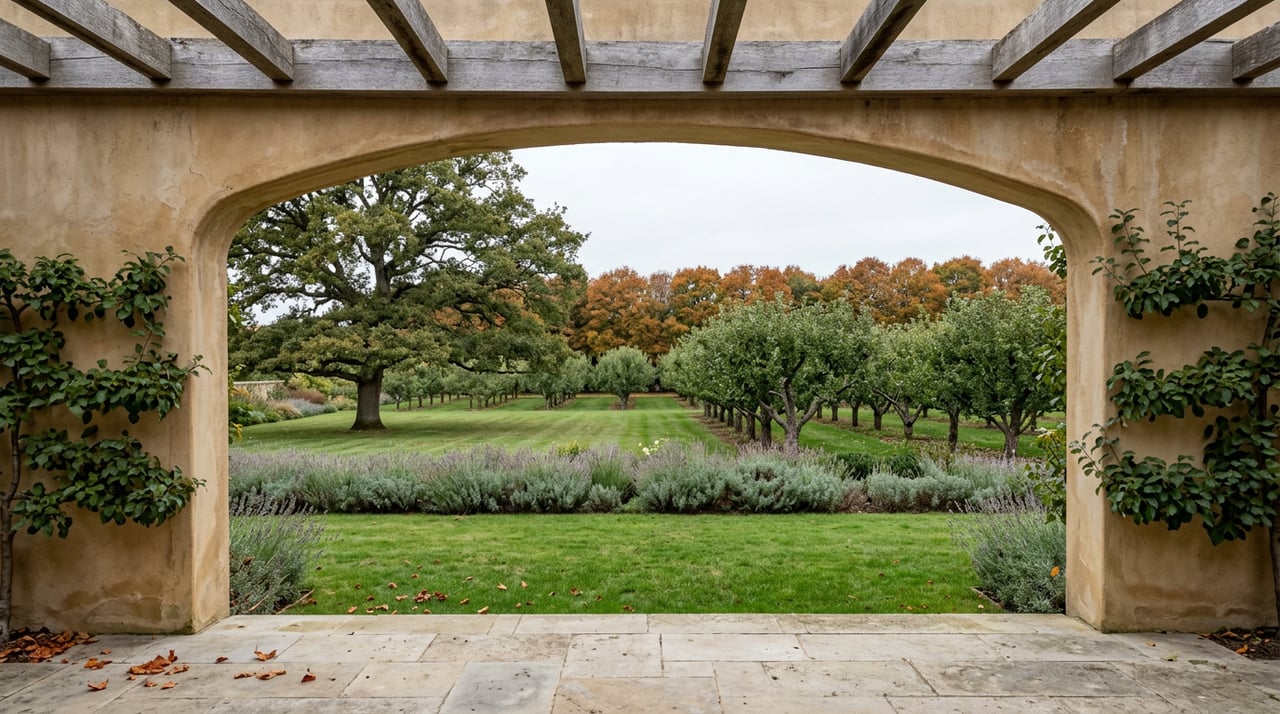
Drive out Highline Road on a Saturday in late September and you will find a line of cars pulled onto the shoulder near Pulford's Appletree Orchard, where staff have already filled the morning's bins with hand-picked Golden Delicious, Fuji, and Jonagold. Keep going a few more miles to Cherry Lane and you will find a different scene entirely at Knaus Apple Ranch: families with paper bags walking their own rows, picking their own Red and Golden Delicious straight off the tree. Both places call themselves apple orchards. Both sit inside the same Tehachapi Valley, growing in the same cold-winter, warm-summer elevation that apple trees like. But they are not offering the same trip, and the gap between them is easy to miss until you have driven forty minutes for the wrong one.
Here is the part that actually matters if you are planning a fall outing around this instead of just wandering into it: Tehachapi's apple season, in the broad sense everyone talks about, runs from late August into November. That is nearly three months. But the window during which you can actually pick your own fruit is much narrower, closer to six weeks, and it lives inside that longer season rather than spanning it. Knowing which season you are in changes what kind of Saturday you are about to have.
Two Orchards, Two Different Jobs
Pulford's Appletree Orchard, at 19440 Highline Road just west of Curry Street, is the valley's largest grower and it does not offer U-pick at all. Staff pick fresh most mornings and sell it from the stand, with close to twenty varieties moving through the season, including less common ones like Winesap, Mutsu, and Lady Apple alongside the familiar Fuji and Gala. The tradeoff for that convenience is a shorter list of open days. Pulford's is closed Mondays and Tuesdays, and its run stretches from September through mid-November, which is close to the full length of the valley's harvest.
Knaus Apple Ranch, at the corner of Tucker Road and Cherry Lane, is the opposite kind of stop. It has been family owned and open to the public since 1970, and it is the one place in town where picking is genuinely hands-on. Visitors fill their own bags from Red and Golden Delicious trees, and the ranch has historically opened around the last week of September. The catch is that fresh fruit is only on the trees for about six weeks. Once that window closes, the U-pick experience is done for the year even though Pulford's keeps selling well into November.
If you want the hands-in-the-dirt version of apple season, that means going early and going on purpose, not whenever the mood strikes in October. If you just want good, tree-ripened fruit without the labor, Pulford's gives you a much longer runway to work with.
One Saturday That Looks Nothing Like the Rest of the Year
The one day where these two worlds collide is the Tehachapi Apple Festival, set this year for Saturday, October 10, 2026, from 10 a.m. to 6 p.m. Streets close to vehicle traffic in the heart of downtown, centered on Green Street and Centennial Plaza, and vendor booths line blocks that are ordinarily just quiet storefronts on Tehachapi Boulevard. The festival started in 2013 as a small effort to bring foot traffic downtown and support local nonprofits, and it grew fast enough that the city has recorded more than 10,000 visitors in a single year. For a town this size, that is not a normal Saturday. It is closer to the entire surrounding valley showing up at once.
A few things about that day are worth knowing if you plan to be there rather than reading about it after the fact. Parking fills quickly, and the thickest crowds land between noon and 3 p.m., so arriving before 11 gets you easier parking, shorter food lines, and first pick of the apples that vendors bring in from local growers. Cash moves faster than cards, not because vendors do not take them but because cell service gets overloaded once a few thousand people are packed into a handful of downtown blocks. And because Tehachapi sits around 4,000 feet, the day itself runs through its own small seasons: a chilly morning, a warm midday, and a real temperature drop the moment the sun drops behind the mountains in the evening.
Unlike towns that build their identity around orchard tourism, Tehachapi does not really market itself as an apple destination the rest of the year. There is no strip of competing cider stands or a district built for foot traffic. What you get instead is two family orchards worth the drive and one day downtown that turns into something bigger than the town's usual pace, which is a fair description of how this place tends to do things generally.
What Else Is Worth the Detour
If the festival or an orchard run brings you downtown, there is enough nearby to make a longer afternoon of it. The Tehachapi Depot Railroad Museum sits right in the historic district and is open year-round, a small nod to the town's railroad history. About fifteen minutes outside downtown is the Tehachapi Loop, one of the more notable pieces of railroad engineering in the country, where a full train literally crosses over itself as it climbs the grade. The area has also grown a small cluster of vineyards and tasting rooms in recent years, enough for an informal wine trail if that is more your pace than apple bins.
Mid-October is also when the oaks around Tehachapi start to turn, and the drive between town and Bear Valley Springs during that stretch is one of the better free things to do here, festival or no festival.
The Actual Takeaway
None of this is really about apples. It is about the fact that a single phrase like "apple season" can describe two genuinely different experiences depending on which orchard you show up at and which week you show up in, and that mismatch is exactly the kind of thing that is obvious to longtime residents and invisible to everyone else. Tehachapi runs on a handful of these small, specific rhythms rather than one big marketed identity, and that is part of what makes it feel like a place people actually live rather than a place built to be visited.
If you are already living out this rhythm every fall, whether from a house in town, out toward the orchards, or up in Bear Valley Springs, and you are curious what your own property or a move within Kern County might look like this year, Carrie Wageman is happy to talk through it. Let's Connect.